


Owning a horse is a rewarding experience, but it comes with responsibilities. Horses are strong and graceful, yet their health can be fragile if neglected. Preventive care ensures your horse remains active, happy, and free from common ailments. Simple routines, combined with professional guidance, can save years of suffering and expensive treatments. Every horse owner should understand key preventive measures that maintain overall health and well-being.
Routine Veterinary Checkups And Animal Hospital Visits
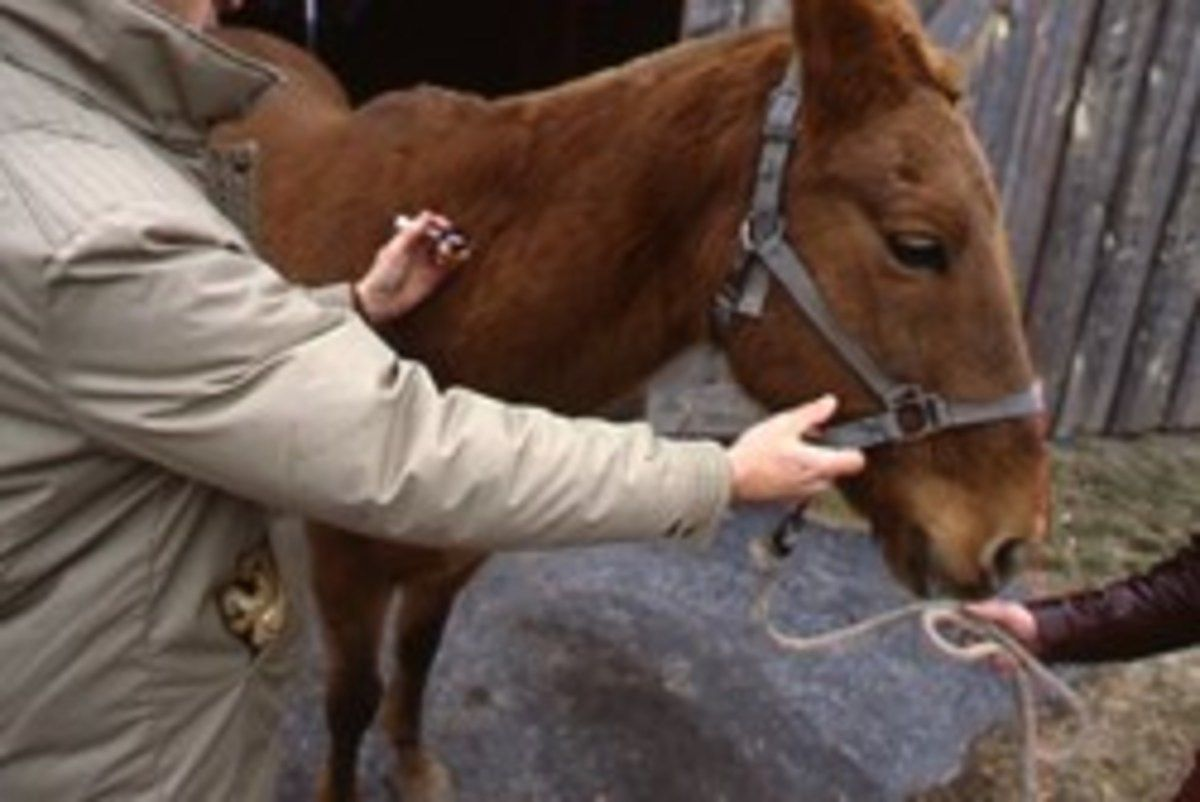
Regular veterinary checkups are essential for early detection of health issues. Scheduling periodic visits to a trusted animal hospital allows for thorough examinations. Veterinarians can spot subtle signs of illness that owners might miss. Routine blood tests, dental checks, and vaccinations keep your horse in top condition. An animal hospital provides access to advanced diagnostics and emergency care when needed. Establishing this relationship with professionals ensures timely intervention and long-term health.
Nutrition Management And Weight Monitoring
A balanced diet is critical for maintaining your horse’s energy and preventing disease. Horses require a mix of forage, grains, and supplements tailored to their age, activity level, and metabolism. Overfeeding or underfeeding can lead to obesity or nutrient deficiencies. Monitoring weight regularly and adjusting feed accordingly helps avoid joint stress and metabolic disorders. Proper nutrition supports strong hooves, muscles, and overall immunity, reducing the need for frequent visits to an animal hospital.
Exercise Plans To Prevent Navicular Disease In Horses Treatment
Navicular disease in horses is a common cause of forelimb lameness and involves degeneration of the navicular bone in the hoof. Regular, low-impact exercise strengthens tendons, ligaments, and hoof structures. Structured exercise routines help distribute weight evenly and maintain circulation in the hooves. Early signs of navicular discomfort should prompt immediate veterinary evaluation. Timely preventive measures and proper management can complement navicular disease in horses treatment, minimizing long-term damage and improving performance.
Hoof Care And Farrier Collaboration
Hoof health is the foundation of equine wellness. Daily inspection and cleaning prevent infections, cracks, and overgrowth. Regular visits from a skilled farrier ensure proper trimming and shoeing, reducing strain on joints and hooves. Collaboration between owners, veterinarians, and farriers is crucial, especially if your horse shows early signs of navicular disease. Coordinated care supports successful navicular disease in horses treatment and overall mobility.
Vaccinations And Parasite Control
Vaccinations protect horses from potentially fatal diseases like tetanus, influenza, and equine herpesvirus. Developing a vaccination schedule with your veterinarian ensures your horse stays protected year-round. Parasite control, including deworming and pasture management, is equally important. Regular fecal tests and targeted treatments prevent infestations that can compromise digestion and immunity. An animal hospital can assist in creating a comprehensive preventive plan for both vaccines and parasite control.
Dental Health And Oral Examinations
Dental issues can affect feeding, digestion, and overall health. Horses’ teeth continuously grow, making regular dental exams essential. Sharp edges or misalignment can cause pain and reduce nutrient absorption. A veterinarian or equine dentist can perform floating procedures to smooth teeth and prevent complications. Maintaining oral health contributes to better energy levels and complements other preventive care strategies monitored through an animal hospital.
Conclusion
Preventive care is the cornerstone of responsible horse ownership. Routine veterinary visits, balanced nutrition, structured exercise, and proper hoof and dental care all play vital roles. Vaccinations and parasite control further protect against serious illness. Early attention to signs of navicular disease and collaboration with professionals can make treatments more effective and less invasive. By staying proactive, horse owners can ensure their animals live long, healthy, and active lives.