

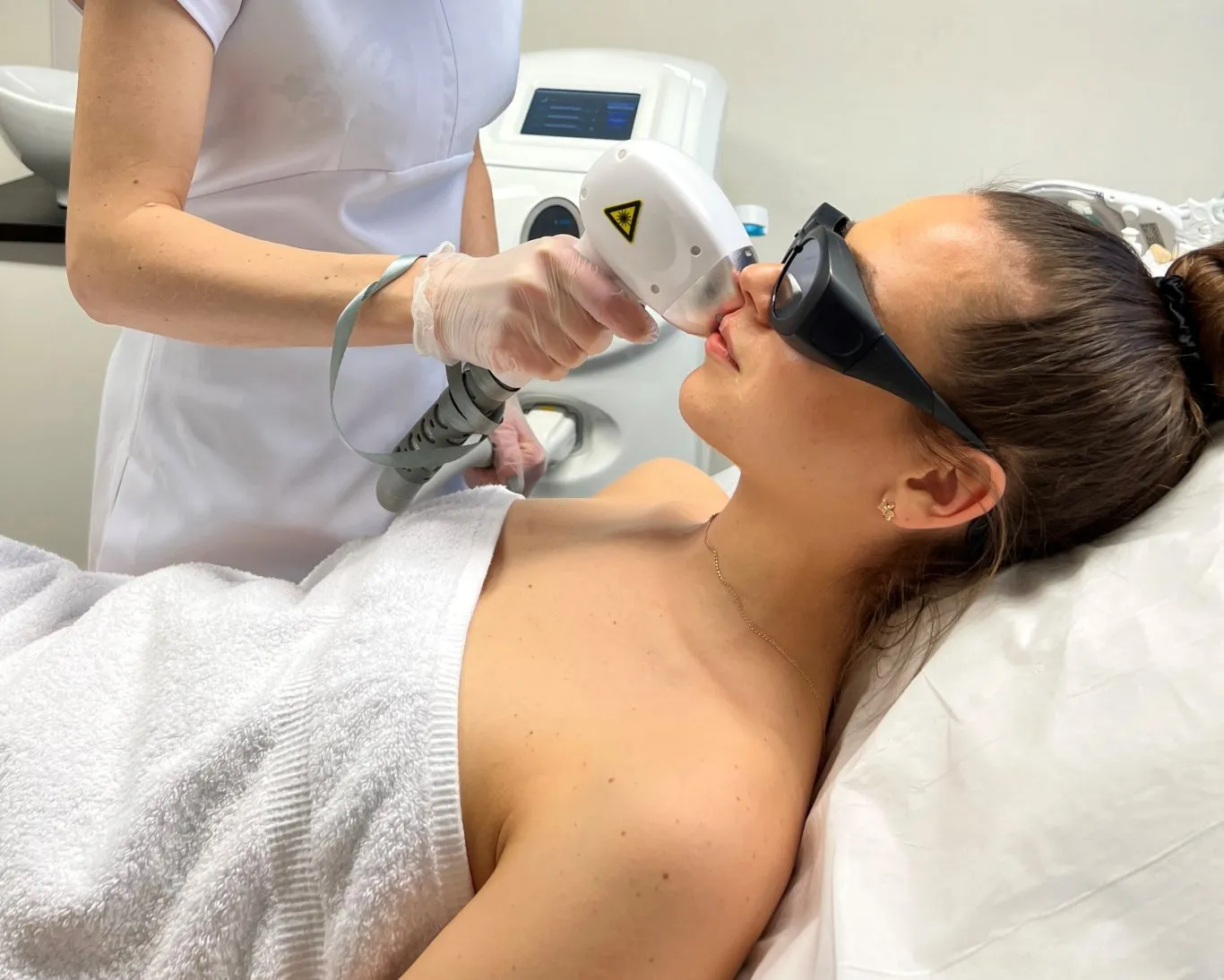
Laser hair removal laws can differ dramatically from one state to another. A certificate that permits someone to operate a device in one jurisdiction may be irrelevant somewhere else, while another state may place laser procedures within medical practice or restrict the work through professional scope-of-practice rules.
Who Is Allowed to Perform Laser Hair Removal?
There is no single national operator license for laser hair removal. States determine who may perform professional procedures, what supervision is required, and whether facilities or devices need separate registration.
Texas has a detailed certification system covering apprentice-in-training, technician, senior technician, and professional levels. An apprentice applicant must complete a department-accepted 40-hour program, while advancement requires documented procedures or additional certification requirements.
Texas updated portions of its laser hair removal rules effective July 1, 2026, illustrating why businesses should check current regulations rather than relying on older training material.
Facility Rules Can Be as Important as Operator Credentials
Texas laser hair removal facilities generally require a facility certificate and must employ a registered Laser Hair Removal Professional. The facility must also maintain a written agreement with a consulting physician who can provide emergency consultation and participate in required protocols.
A person researching providers may encounter Florida web publishers in search results, but state medical, health, radiation, or occupational licensing agencies remain the proper sources for determining legal authority.
| Issue | Possible Regulatory Control | What to Verify |
|---|---|---|
| Operator | Professional certification | Correct credential level |
| Facility | Registration or medical rules | Valid operating authority |
| Device | Federal and state controls | Approved intended use |
| Supervision | Physician or senior operator | Required oversight structure |
Device Regulation Does Not Equal Permission to Practice
FDA regulates laser hair-removal equipment as medical devices. Its database includes professional powered laser surgical instruments under 21 CFR 878.4810 as well as certain over-the-counter light-based hair-removal devices.
FDA device status answers questions about the equipment; it does not automatically determine who may legally operate that equipment on paying clients. Operator and facility requirements remain state-specific.
Texas Laser Hair Removal laws and rules
When checking Pennsylvania media resources or other general websites, consumers should therefore avoid treating device marketing phrases such as “FDA cleared” as proof that a particular technician is licensed.
What Safety Standards May Cover
Professional laser rules can address training, eye protection, skin typing, device safety, emergency procedures, treatment protocols, supervision, and continuing education.
Texas requires continuing education for several certificate levels and identifies subjects such as laser physics, skin reactions, burns, eye protection, emergency procedures, treatment protocols, and regulatory changes.
The state’s enforcement schedule also identifies violations involving unsafe settings, inadequate protective eyewear, improper supervision, unqualified personnel, and noncompliant equipment.
Broader online research may include Ohio web resources, but current regulatory language should be verified against official sources.
Client Rights After a Laser Injury
A burn or other injury does not automatically establish legal negligence. A claim generally depends on the applicable standard of care, the operator’s conduct, causation, documented damages, and state law.
Clients should keep receipts, photographs, treatment records, consent paperwork, advertisements, and communications if a dispute develops. Complaints about licensing or unsafe operation may also fall within the jurisdiction of the state agency regulating the facility or practitioner.
Mistakes Consumers and Businesses Make
One mistake is assuming an esthetician credential automatically includes lasers. California, for example, permits estheticians to remove hair by waxing or tweezing but specifically excludes laser or light-wave hair removal from that scope.
Another mistake is treating a signed consent form as complete protection against a claim. Consent and liability are separate questions, and applicable state law controls their legal effect.
Frequently Asked Questions
Do you need a medical license to perform laser hair removal?
It depends on the state. Some jurisdictions create specific laser credentials, while others regulate laser use through medical or professional scope-of-practice rules.
Does FDA clearance mean any salon can use a laser device?
No. Federal device regulation does not override state rules governing operators, professional scope, facility registration, or medical supervision.
Can a client complain about an unlicensed laser operator?
Usually there is a state regulatory agency responsible for the relevant profession or facility. The correct agency depends on how laser hair removal is classified in that jurisdiction.
Verify the Operator Before Treatment
Consumers should check the operator’s credential, facility status, supervision requirements, and device type before treatment. Businesses should perform the same review before buying equipment or advertising laser services because the regulatory category can change the entire licensing structure.
This article provides general legal information and is not a substitute for advice from a qualified attorney, medical professional, or licensing authority.