


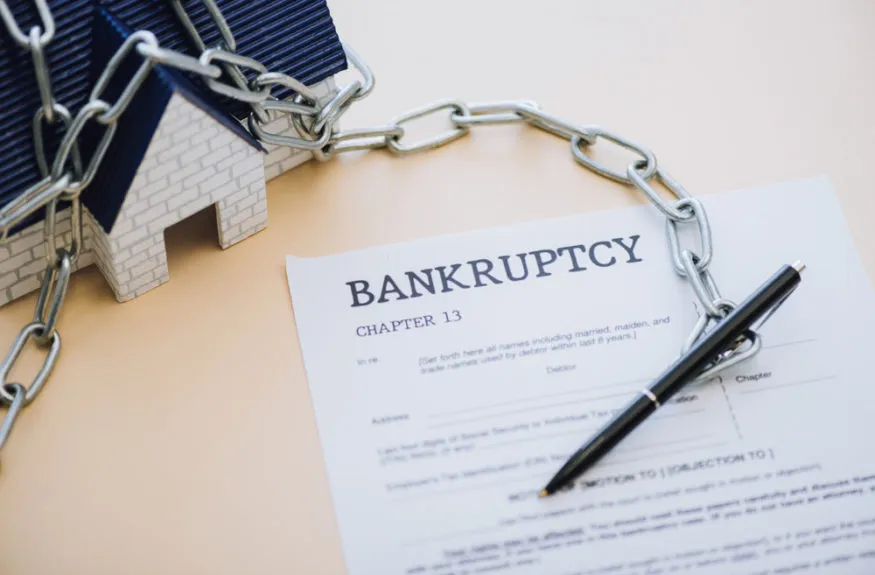
Chapter 13 bankruptcy allows qualifying individuals with regular income to propose a court-supervised repayment plan while generally retaining their property. Instead of liquidating nonexempt assets as Chapter 7 may require, Chapter 13 centers on future income, required payments, creditor treatment, and successful completion of a confirmed plan.
How a Chapter 13 Case Works
A Chapter 13 debtor proposes a plan to repay all or part of qualifying debts over time. Plans generally run from three to five years, depending on circumstances governed by bankruptcy law. The debtor usually makes payments through a Chapter 13 trustee, who distributes funds according to the confirmed plan.
Chapter 13 can be particularly significant for someone trying to address mortgage arrears while keeping a home. The plan may allow certain past-due amounts to be cured over time, provided ongoing obligations and plan requirements are satisfied.
General media coverage online may discuss household finance from different angles, but an actual repayment plan must comply with federal bankruptcy requirements and the practices of the court handling the case.
Eligibility and the Repayment Plan
Chapter 13 is designed for individuals with regular income who satisfy statutory requirements, including applicable debt limits. Those dollar limits are periodically adjusted, so older articles may contain figures that no longer apply.
The plan must address different classes of claims according to bankruptcy law. Priority obligations, secured claims, mortgage arrears, vehicle debt, and unsecured claims can receive different treatment depending on the facts.
Readers comparing general online commentary with legal resources should pay close attention to dates because bankruptcy forms, monetary thresholds, and procedural requirements can change.
| Plan Issue | Typical Consideration | Possible Effect |
|---|---|---|
| Regular income | Ability to fund plan | Supports feasibility |
| Mortgage arrears | Cure through plan may be possible | Can affect foreclosure |
| Secured debt | Special treatment may apply | Collateral rights matter |
| Unsecured debt | Paid under plan rules | Balance may later qualify for discharge |
What Happens While the Plan Is Active?
Filing Chapter 13 generally triggers the automatic stay, which prevents many creditors from beginning or continuing covered collection activity. Chapter 13 also includes a separate protection in certain circumstances for individuals jointly liable on consumer debts.
The debtor must continue performing required obligations. Missing plan payments, failing to make required post-filing payments, or ignoring court requirements can lead to dismissal, conversion, or other consequences.
Searching public web material may help explain unfamiliar financial language, but plan obligations should always be checked against the confirmation order, trustee instructions, court rules, and applicable law.
Where Chapter 13 Plans Can Fail
Chapter 13 is sometimes treated as an easy method for postponing creditor action. In practice, a plan must be financially workable for years, not merely affordable during the first month.
Income changes, unexpected expenses, unpaid post-filing taxes, missed mortgage payments, or incomplete disclosures may disrupt a case. A debtor should also avoid assuming that every remaining balance will be discharged after the plan because some categories of debt survive bankruptcy.
When Legal Guidance Becomes Important
Legal advice can be particularly valuable when foreclosure is approaching, substantial tax debt exists, secured collateral is involved, household income fluctuates, a previous bankruptcy was dismissed, or there is uncertainty about Chapter 13 eligibility.
The official U.S. Courts Chapter 13 Bankruptcy Basics explains plan duration, trustee administration, the automatic stay, and discharge requirements. Local procedures should also be checked before filing.
Frequently Asked Questions
Does Chapter 13 require every debt to be paid in full?
No. The amount paid depends on the type of debt, plan requirements, disposable-income rules, property considerations, and other statutory factors. Certain obligations may require full payment while qualifying unsecured debts may receive different treatment.
Can Chapter 13 stop a foreclosure?
Filing can generally activate the automatic stay and may provide an opportunity to cure mortgage arrears through a plan. Timing matters, particularly if a foreclosure sale has already occurred under applicable state law.
What happens after all Chapter 13 payments are completed?
A qualifying debtor may receive a discharge of debts covered by the plan, subject to statutory exceptions and other requirements. Some obligations can remain enforceable even after successful plan completion.
Build a Plan That Can Actually Be Completed
Chapter 13 is not simply a temporary pause on collections. It is a multi-year court process that depends on sustainable payments, accurate disclosures, proper treatment of claims, and continued compliance with legal requirements. Before filing, debtors should test whether the proposed budget can survive normal financial pressure rather than relying on an unrealistically narrow monthly margin.
This article provides general legal information and is not a substitute for advice from a qualified attorney.