




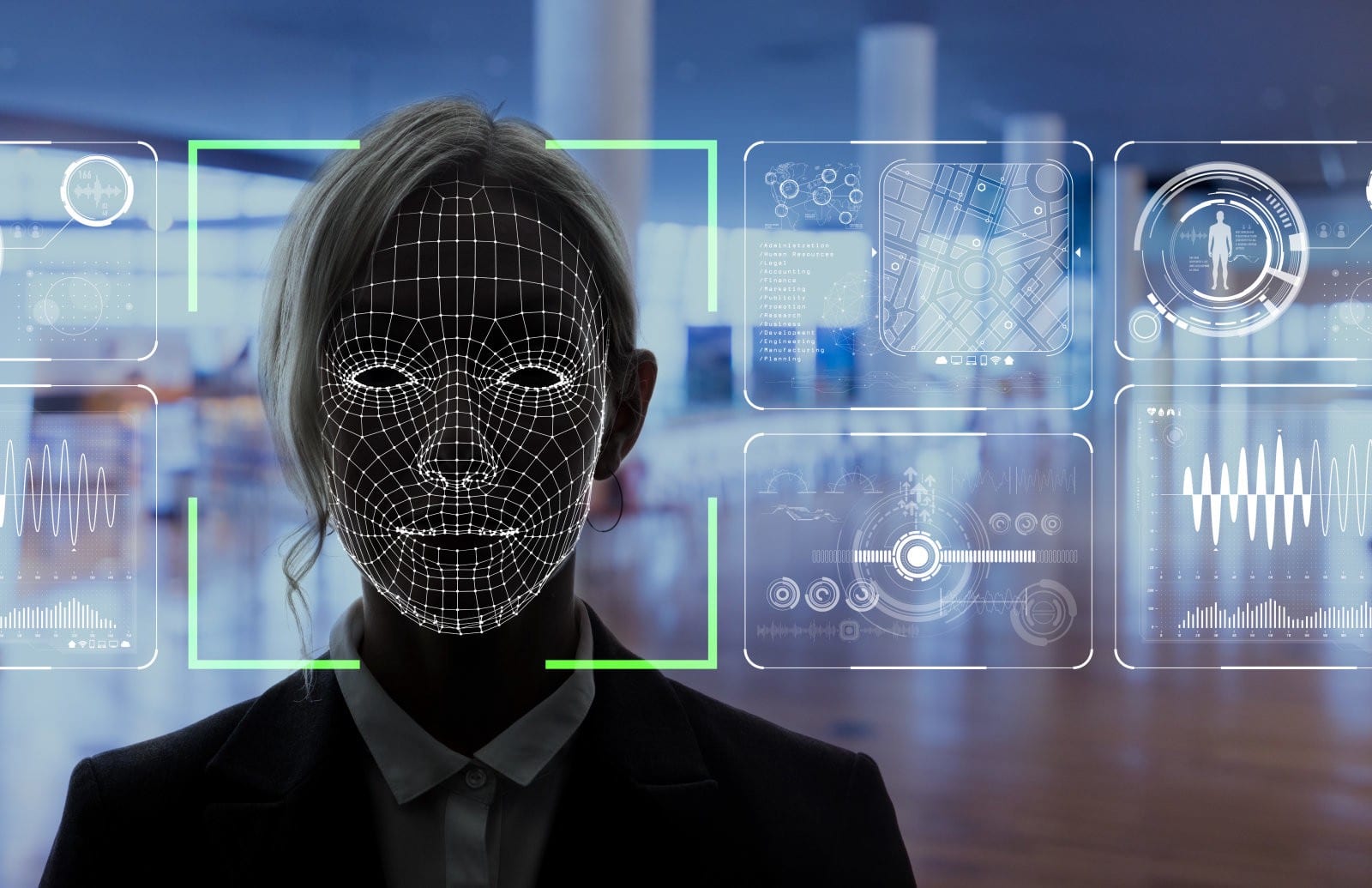
Biometric privacy laws regulate sensitive identifiers such as fingerprints, facial geometry, iris scans, and voiceprints in ways that can differ sharply between jurisdictions. A practice that appears routine to a business may trigger consent, disclosure, retention, security, or deletion duties.
Facial recognition deserves particular attention because biometric identifiers are difficult or impossible to replace in the way a password can be changed.
Why Biometric Data Receives Special Treatment
Biometric systems can identify or authenticate people based on physical or behavioral characteristics. That creates privacy risks beyond ordinary contact information, particularly when biometric templates are collected without clear notice or retained longer than necessary.
The FTC has stated that certain deceptive or unfair practices involving biometric information may implicate Section 5 of the FTC Act.
State Law Can Add Stronger Obligations
Businesses should not assume federal consumer-protection law is the only concern. State rules may impose specific consent, storage, disclosure, or destruction requirements and can define biometric information differently.
Illinois BIPA Creates Detailed Requirements
Illinois’ Biometric Information Privacy Act requires covered private entities possessing biometric identifiers or biometric information to maintain a publicly available retention and destruction policy. The statute also contains requirements concerning notice and written release before certain collection.
Organizations reviewing compliance should rely on the statute and qualified advice rather than treating public notice material as a substitute for the governing legal text.
Private Litigation Changes the Risk
Illinois BIPA is particularly significant because an aggrieved person may bring a private action. The statute provides potential damages and other relief, while 2024 amendments addressed how repeated collections or disclosures using the same method are counted for certain violations.
That enforcement structure differs from biometric laws that depend mainly on government regulators. Businesses comparing requirements with legal-topic references should therefore identify both the substantive rule and who is allowed to enforce it.
| Compliance Issue | Typical Question | Possible Control |
|---|---|---|
| Collection | Was proper notice given? | Written notice process |
| Consent | Was required permission obtained? | Documented release |
| Retention | How long is data kept? | Destruction schedule |
| Security | How is data protected? | Restricted storage |
Texas Shows Why Jurisdiction Matters
Texas’ Capture or Use of Biometric Identifier law generally requires notice and consent before capturing specified biometric identifiers for a commercial purpose. It also restricts certain sales, leases, and disclosures and requires destruction within the timeframe established by law.
A company operating nationwide may therefore need a jurisdiction-by-jurisdiction review rather than a single generic consent statement. That matters especially for platforms whose digital outreach resources or customer-facing tools operate across state lines.
Where Biometric Compliance Often Fails
A frequent mistake is treating biometric information like an ordinary photograph or account field. Creating a facial template, fingerprint identifier, or voiceprint can trigger rules that ordinary images or recordings may not trigger in the same way.
Another problem is vendor dependence. A company may outsource the biometric technology while remaining responsible for its own notices, contracts, collection practices, and retention decisions. Vendor assurances should be documented rather than assumed.
When Should You Seek Legal Advice?
Legal review is useful before introducing facial recognition, fingerprint time clocks, voice authentication, identity-verification systems, or similar technology involving employees or customers.
Prompt advice may also be appropriate after an unauthorized disclosure, regulator contact, threatened lawsuit, consent dispute, or discovery that biometric records were retained beyond an applicable period. Preserve consent records, policies, vendor agreements, security documentation, and logs showing collection or deletion activity.
Frequently Asked Questions
Does Illinois require consent before collecting biometric information?
BIPA generally requires specified notice and a written release before a covered private entity collects or obtains biometric identifiers or biometric information in circumstances governed by the statute.
Can someone sue under Illinois BIPA?
The statute provides a private right of action for an aggrieved person and identifies available forms of relief.
Does every state define biometric information the same way?
No. Definitions, exemptions, enforcement mechanisms, consent standards, and covered entities can differ, so businesses should check the law applicable to each jurisdiction.
Treat Biometrics as a Separate Data Category
Companies using biometric technology should inventory what is collected, why it is needed, who receives it, how consent is documented, how long records remain stored, and what happens when the purpose ends.
The safest compliance program starts before collection rather than after a complaint arrives.
This article provides general legal information and is not a substitute for advice from a qualified attorney about biometric privacy obligations.